Country profile · Winter
Horse riding in Iceland in winterRiding in Iceland in winter, four places, four kinds of winter
In an Icelandic winter the day is short, and the ride follows the light.
Saddle Atlas editorial team, updated 14 October 2026
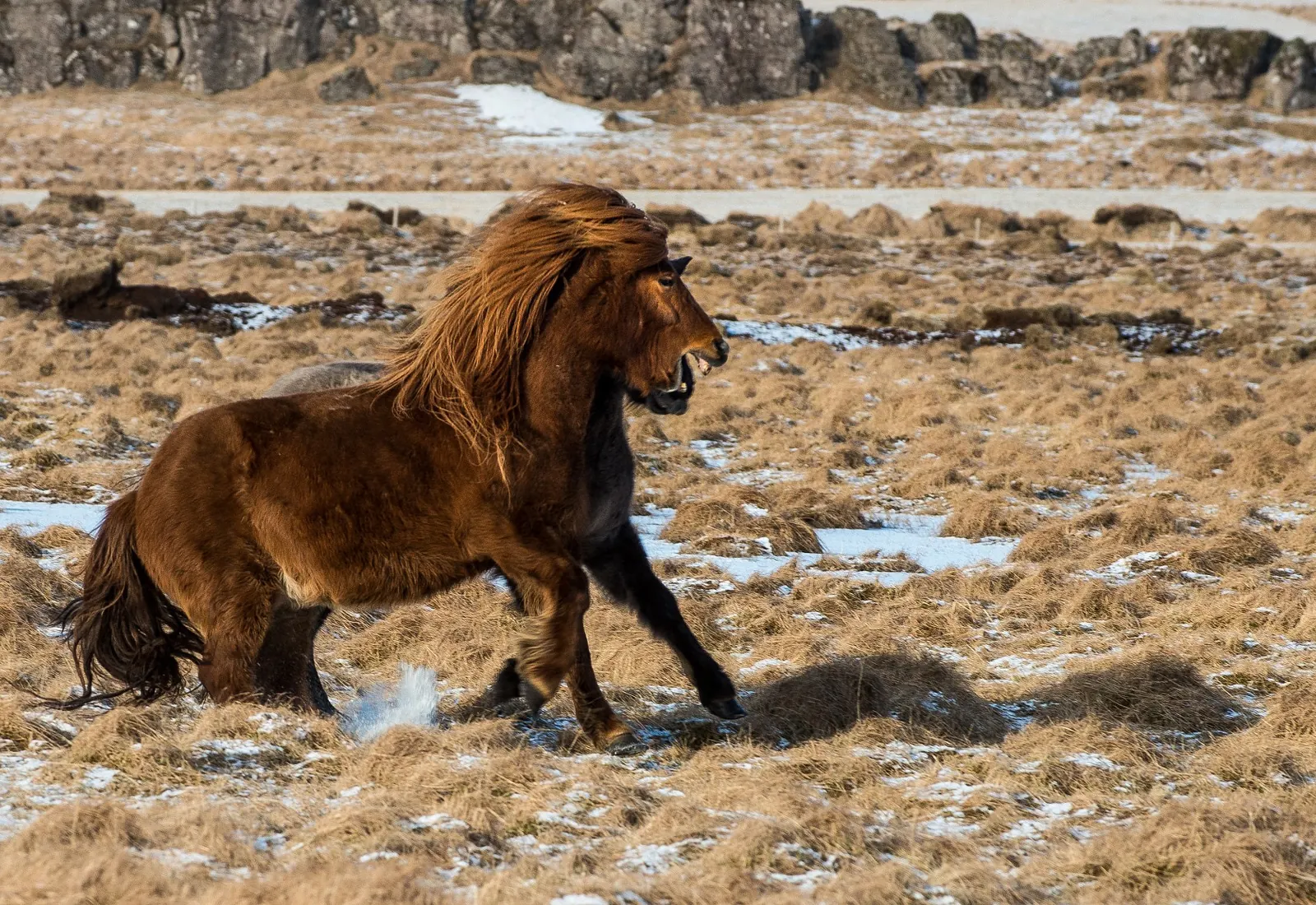
- 4–5 hhours of daylight in December and JanuaryVisit Reykjavík
- 6–8 hhours of daylight in FebruaryVisit Reykjavík
- 10–11 hhours of daylight in MarchVisit Reykjavík
- −1 to +4 °CJanuary in ReykjavíkVisit Reykjavík
According to Visit Reykjavík there are 4 to 5 hours of daylight in December and January, 6 to 8 in February and 10 to 11 in March. A winter ride is planned around those hours. We show four places from our offers and what to ask. It is a selection, not a ranking.
Sourced points
Only sourced figures.
Reykjavík and the south-west
Short rides near the capital. In January the temperature in Reykjavík is between minus 1 and plus 4 degrees, snow, rain and strong wind are common (Visit Reykjavík). The WMO normal for January (period 1961 to 1990) is a mean daily maximum of 1.9 degrees and a night minimum of minus 3.0; the year brings 798.2 millimetres of rain (Icelandic Meteorological Office via the WMO). Visit Reykjavík advises layers and a windproof, waterproof outer layer.
Hveragerði and the Golden Circle
Geothermal ground, in Hveragerði boiling water lies just beneath the surface. Providers name rides in red lava and in Reykjadalur, the steaming valley.
Vík and the south coast
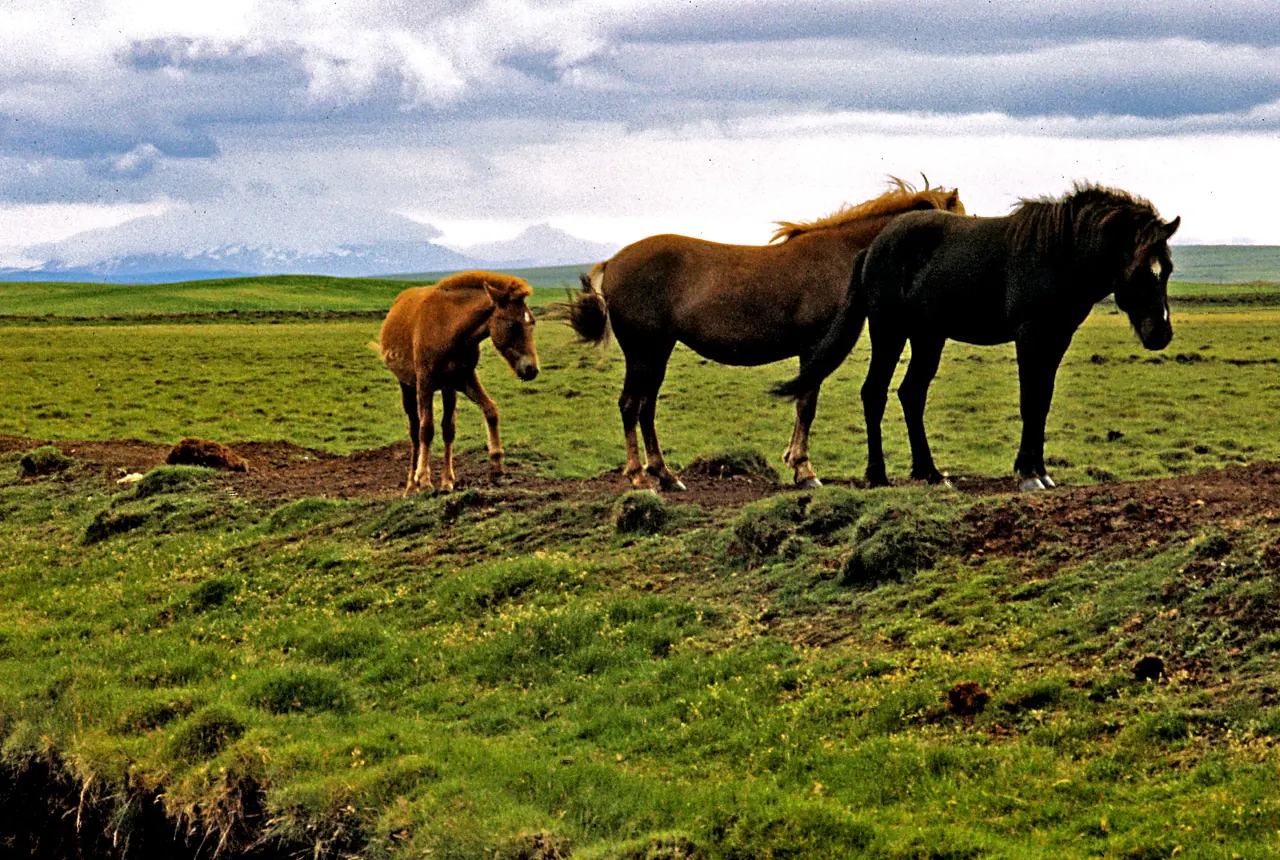
The south lies in the Katla Geopark, which according to the geopark covers 9,542 square kilometres. Black sand beaches from volcanic ash. One offer names a ride to the black sand beach at Reynisfjara. At Reynisfjara Safetravel warns of unpredictable waves. According to Visit Iceland there are no lifeguards or manned security measures, and warning lights show a yellow and a red zone that visitors must not enter when the light is on. The cliffs in the east carry a rockfall risk. Keep your distance from the water, never turn your back on the sea and check the tide table for Vík. Whether a tour uses the beach, the provider states.
Akureyri and the north
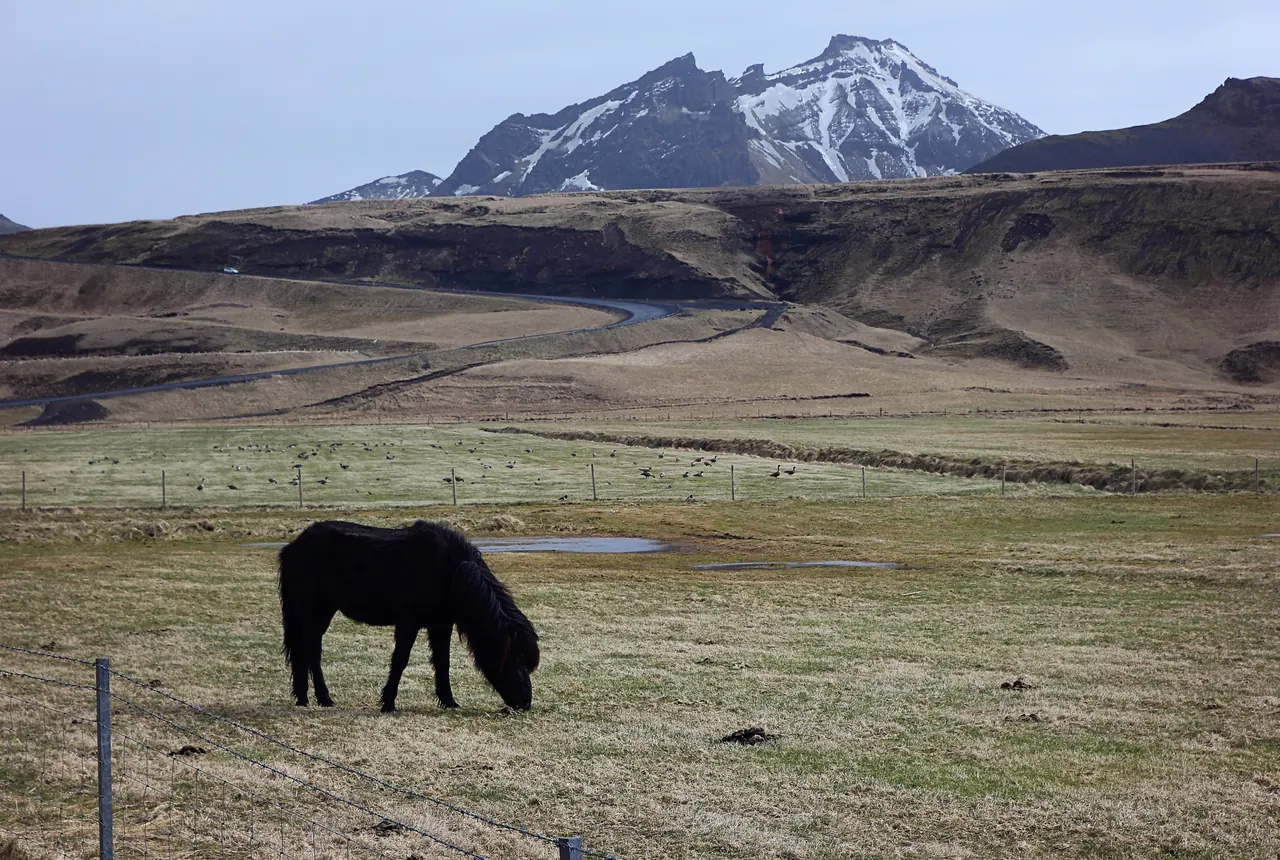
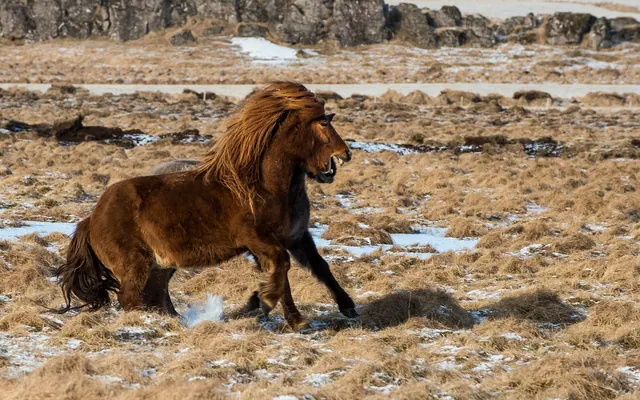
Rides in the north, where our own evaluation of NOAA data for Akureyri (1991 to 2020) shows a February mean daily maximum of 2.8 degrees and a night minimum of minus 4.2. One provider in the north writes that its horses are not troubled by frozen ground and snow, that is the provider's statement, not an established fact. According to the International Federation of Icelandic Horse Associations FEIF, the Icelandic horse masters tölt and pace besides walk, trot and canter. Ask whether there is tölt and whether you can stay at a walk.
Seven questions
Save the list for the call with the provider.
- When does the ride start and how much daylight is left.
- What happens in storm, ice or snow.
- Which winter clothing is supplied.
- Is the beach part of the ride and how far from the water.
- Is there tölt, and can I stay at a walk.
- Which level and weight limit.
- Until when can I cancel for free.
Which Iceland would you ride in winter, lava, black sand or the north?
Matching rides in our selection
AdSaddle Atlas may earn a commission when you book through a link. The price stays the same for you. Prices are shown by the provider only, we do not store any.
 Südisland
Ride to the black sand beach at Reynisfjara
Südisland
View at GetYourGuideHveragerðiRiding tour from Hveragerdi on Icelandic horses
Suedisland (Hveragerdi)
View at GetYourGuideThe provider states duration and level.
Keep reading
Sources:
- Visit Reykjavík, daylight and temperatures in winter; WMO World Weather Information Service, Reykjavík (189), normals of the Icelandic Meteorological Office 1961 to 1990 (January: daily maximum 1.9 degrees, night minimum minus 3.0 degrees; 798.2 millimetres of rain a year), retrieved on 12 October 2026.
- NOAA NCEI, GHCN-Daily, Akureyri (IC000004063), own means 1991 to 2020; Katla UNESCO Global Geopark (area, after the page South Iceland); FEIF (Icelandic horse); Safetravel and Visit Iceland (Reynisfjara), read on 11 and 12 October 2026.
- Offers at GetYourGuide, read by hand on 13 October 2026; statements from the titles and place pages of the offers. No prices, no durations.
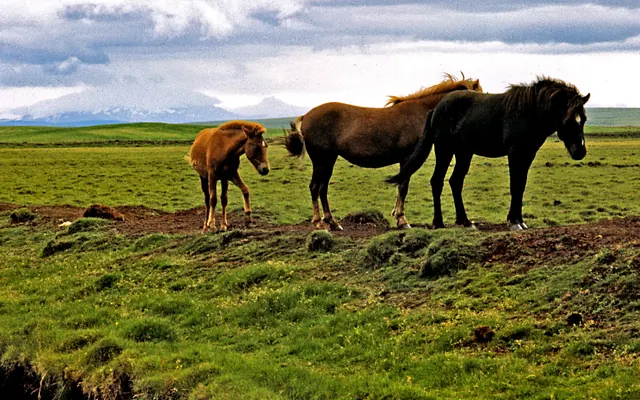
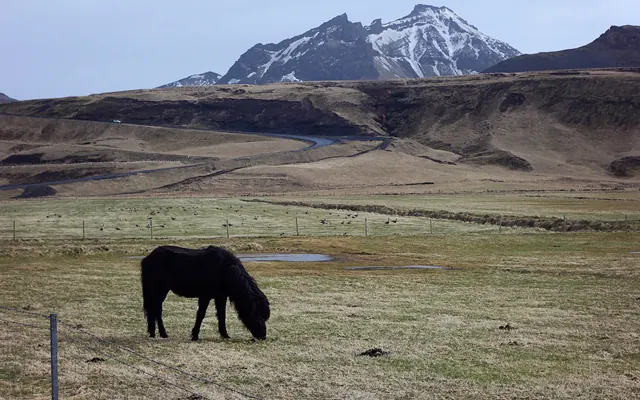
Photo credits: South Iceland near Vík · Photo Wojtek Szkutnik, CC BY 3.0, Wikimedia Commons / Laugarvatn, South Iceland · Photo Wilford Peloquin, CC BY 2.0, Wikimedia Commons / South Iceland, Ring Road · Photo Tiffany Bailey, CC BY 2.0, Wikimedia Commons